 |
| AI Generated Image |

Yet One more Political Sacrifice!
The Symphony of Encounters
Why Every Person in Your Life is a Lesson
 |
| AI generated image |
But what if they're not? What if every single
individual, every fleeting connection, every profound relationship, serves a
deeper, divinely appointed purpose?
The truth, beautifully articulated in ancient wisdom, suggests that the people who come into our lives are not mere accidents; they are orchestrated moves of destiny, guided by the wisdom of our Creator (Allah). They are not random footnotes but crucial, often pivotal chapters in our personal story, each serving a profound purpose in the grand design of our development. They are the teachers, the catalysts, the healers, and sometimes, the very wounds that shape us, all part of a larger, benevolent plan.
The Power of No: Reclaiming Your Time, Energy, and Self-Worth

This endless accommodation, while seemingly kind, can unfortunately lead to a dangerous pattern. People, whether consciously or not, can begin to exploit your accommodating nature. They see your willingness to help as an open invitation to offload their responsibilities or demands onto you. For example, at work, you might become the default person for last-minute tasks or projects that aren't truly yours, leaving you stressed and overworked while your colleagues enjoy a more balanced workload. In your personal life, friends might consistently ask for rides, favours, or even emotional support, seeing your time and energy as a resource they can freely tap into. The consequence? You end up feeling used and undervalued—like a "mug"—with your self-worth slowly eroding, replaced by nagging resentment and profound exhaustion.
Learning to say "no" is not an act of selfishness; it is a fundamental act of self-preservation and self-respect. It’s about establishing healthy boundaries and creating the essential space you need to thrive, rather than just survive. To begin, first understand your "why." What precisely are you protecting by saying "no"? Is it your mental health, your personal goals, your physical energy, or your precious free time? When you are clear on your "why," it becomes significantly easier to stand firm in your decision. Start practicing in low-stakes situations; for instance, decline a simple invitation to an event you're not enthusiastic about, or politely say you can't help with a minor favour. The more you practice, the more natural and empowering it will feel.
When you do say "no," strive to be direct and concise. You don't owe anyone a lengthy explanation or an elaborate excuse. A polite yet firm, "I appreciate you asking, but I can't take that on right now" or "That doesn't work for me" is perfectly acceptable. It's crucial to remember that you are saying "no" to a specific request, not to the person themselves. Your value as a friend, colleague, or family member is not, and should not be, tied to your ability to fulfil every single demand placed upon you. The first few times you assert this boundary might feel uncomfortable, and that's entirely normal. Acknowledge that feeling, but don't let it deter you. That initial discomfort will gradually lessen with practice, ultimately being replaced by a profound sense of confidence and empowerment. By learning to strategically say "no," you reclaim your life, protect your well-being, and create the vital space you truly deserve to flourish.
Srebrenica: A Haunting Echo in a World Still Bleeding
Today, July 11th, marks Srebrenica Remembrance Day, a solemn occasion to honour the more than 8,000 Muslim men and boys systematically murdered in July 1995 by Bosnian Serb forces. This horrific act, declared a genocide by international courts, stands as a stark reminder of humanity's capacity for unimaginable cruelty and the catastrophic consequences of unchecked hatred.
The peaceful rows of white gravestones at the Potočari
Memorial Centre bear witness to the brutal efficiency with which lives were
extinguished, families shattered, and a community devastated. Srebrenica was
not an "accident of history"; it was the horrifying culmination of
policies, propaganda, and, crucially, international indifference. "Never
again," we vowed after the Holocaust, and again after Rwanda. Yet, the
chilling reality is that "Never again" continues to be a
promise repeatedly broken.
As we mark the 30th anniversary of Srebrenica in 2025, the echoes of that genocide reverberate with unsettling clarity in our current global climate. Far from being relegated to the history books, the spectre of massacres, ethnic cleansing, and genocidal acts continues to haunt communities around the world.
The Enduring Spirit: Lessons from Karbala and Modern Tragedies
The story of Karbala, a tragic and pivotal event in Islamic history, resonates with profound lessons of faith, perseverance, and unwavering commitment to justice. It is a narrative that, despite occurring over a thousand years ago, continues to offer solace and strength to those facing immense hardship in our own times.
At the heart
of Karbala lies the sacrifice of Imam Hussain, the grandson of Prophet Muhammad
(peace be upon him), and his valiant companions. In the scorching desert of
Karbala, they faced an overwhelming army, driven by a thirst for power and a
blatant disregard for Islamic principles. Imam Hussain's stand was not for
worldly gain, but for the very essence of justice, truth, and the preservation
of the Prophet's legacy.
The difficulties, trials, and tribulations faced by Imam Hussain and his family were unimaginable. They were denied water for days, surrounded by enemies, and subjected to immense psychological and physical torment. Children withered from thirst, families were torn apart, and the prospect of survival diminished with each passing moment. Yet, amidst this horrific ordeal, their patience and perseverance shone through. Their faith in the Creator, Allah, remained unshakeable. They faced death not with despair, but with dignity, seeing their suffering as a path to eternal truth and a testament to their unwavering commitment to their Lord.
Double Standards in UK Policing: Eroding Public Trust
The recent, disturbing incident in Tower Hamlets, where a pro-Palestine activist was subjected to brutal police force, is a stark reminder of the deep-rooted issues within UK policing. While it’s a particularly egregious example, it's far from isolated. A pattern of disproportionate force, particularly against marginalized communities, has eroded public trust and demands urgent attention.
Another Day, Another Outrage: Police Brutality at
Manchester Airport
On Tuesday 23 July 2024, yet another shocking incident of police brutality unfolded at Manchester Airport, further eroding public trust in law enforcement. A video circulating on social media captured a police officer using excessive force, kicking a man in the head while simultaneously tasering him. The officer then proceeded to kick a second individual in the body. These actions are utterly reprehensible and demand immediate investigation.
A Celebration of Vibrancy: Exploring South Asian Heritage Month
July is South Asian Heritage Month, a time to delve into the rich tapestry of cultures, religions, and traditions that define this incredible region. Spanning countries like India, Pakistan, Bangladesh, Sri Lanka, and Nepal, South Asia boasts a dazzling diversity, yet a shared thread of heritage binds them together.
A Culinary Adventure
Food is a cornerstone of South Asian culture. Aromatic spices like turmeric, cumin, and coriander fill the air, enticing you with the promise of a flavour explosion. From the fluffy rice and creamy dals of India to the melt-in-your-mouth kebabs of Pakistan and the fiery curries of Sri Lanka, South Asian cuisine offers a journey for the taste buds. Don't forget the irresistible street food scene, with its samosas, pakoras, and melt-in-your-mouth desserts like gulab jamun.
Karachi: From Bustling Metropolis to Troubled Megacity
Karachi, the City of Lights, throbs with a vibrant energy that masks a complex past and a present etched with struggle. To understand Karachi is to delve into the layers of history it wears – a mosaic of empires, migrations, economic booms, political turmoil, and resilience.
A City in Transformation
Karachi, Pakistan's largest city, offers a compelling story of
urban transformation, filled with both triumphs and struggles. Once a quaint
fishing village called
Kolachi, it flourished under British rule, becoming a major port city and a
symbol of cosmopolitanism. Following Pakistan's independence in 1947, Karachi
ascended to the status of the nation's capital, a testament to its economic and
cultural significance.
However, the city's fortunes took a dramatic turn in the decades that followed. Today, Karachi grapples with a multitude of issues – crime, violence, ethnic tensions, political instability, and crumbling infrastructure – making it a stark example of the challenges faced by developing megacities.
Silence in the time of genocide
Why are notable Rohingya figures silent about Israel and Gaza?
by: Shafiur Rahman
In the realm of human existence, silence can sometimes be more profound than words. It can echo through the corridors of history, leaving us to ponder the weight of its meaning. Recently, an X/Twitter post from the United States Holocaust Memorial Museum stirred a lot of thoughts within me. It spoke about the attack on Israel, but its silence on the Palestinian situation left a glaring void. Specifically, I was left to wonder why there was no mention of Israel's orders for Gaza—an action that Martin Griffiths, head of the United Nations Office for the Coordination of Humanitarian Affairs, described as defying "the rules of war and basic humanity." The absence of commentary on Israel’s plans, which some argue not only violate international humanitarian law but also border on genocidal intent, makes the Museum's silence all the more perplexing.
The NHS at 75: A history of challenges and successes
The National Health Service (NHS) is celebrating its 75th
birthday this year. It is a remarkable institution that has provided free
healthcare to the British people for over seven decades. The NHS has faced many
challenges over the years, but it has also achieved great things.
The NHS was founded in 1948, just after the end of World War
II. At the time, the UK was in a state of economic and social upheaval. The NHS
was created to provide free healthcare to everyone, regardless of their ability
to pay. This was a radical idea at the time, but it was one that was welcomed
by the British people.
The NHS has faced many challenges over the years. In the 1970s, it was hit by a series of financial crises. In the 1980s, it was subjected to a series of reforms by the Conservative government. These reforms led to a decline in morale among staff and the quality of care; and the NHS was accused of being inefficient and bureaucratic.
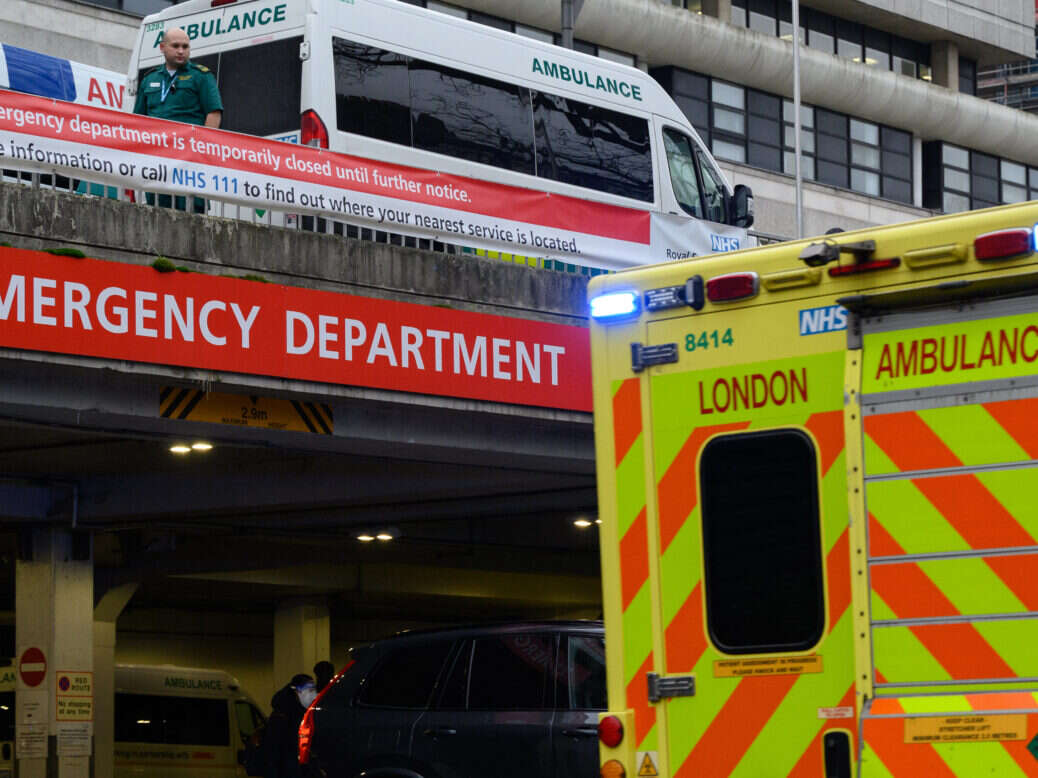
I’m a paramedic – here’s why I’m striking
The government has enabled real-term pay cuts, service overloads and chronic underinvestment within the NHS. - by Anonymous
 |
| Source: newstatesman.com |
This week, I, along with thousands of fellow ambulance workers belonging to the Unison union across England, have voted to take strike action. We know it’s a shock – but we’re doing it out of necessity: not just for ourselves, but for the future of the NHS.
I’ve been a paramedic for more than 27 years, and I’ve seen the health service in all kinds of states – but this is the worst I’ve ever known it to be. For the past 12 years, my colleagues and I have said to each other “surely, it can’t get any worse?” and yet here we are.
Diagnosing the issues paramedics face is easy – because they’re the same problems the rest of my NHS colleagues, across various disciplines, are dealing with: dwindling pay, service overloads and a chronic underinvestment in the health service.
Life's Ever Changing Priorities
Don’t let pressure and overwork encourage you to hurry past parts of your life. Whether it’s your children’s early life, whole segments of your marriage, or maybe the last active years of loved parents, they are swiftly past and gone beyond recall. Regret comes too late to save them.
How many
people still cherish an unfulfilled ambition to travel, or start their own
business, or enter a new career, and yet do nothing to make it happen? Too
many. Time passes. What was once an inspiring idea seems less and less feasible.
Yet still they cling to the dream — only not this year. Maybe next year, when
things calm down a little. When they’re not so busy. When they have the time.
We are so confused about time. We always have the same amount of
it, since we can neither create more, nor save any for later, nor do away with
what there is. Yet our perception of time is totally different. Sometimes it
seems to drag in endless amounts. Sometimes it appears to flash past. Only our
perception changes. Time itself does not.
Of course, what we mean is time free from other demands. But we will never have
that either. There are always other calls on our attention and always will be.
If you’re waiting for that magical day when nothing else awaits you, only your
dream ready for fulfilment, you will wait for ever.
The truth is simple. People confuse what is urgent with what is
important; what is pressing today with what is pressing in terms of their whole
life. A task stands before you and shouts for your attention because it’s here,
now, and must be done by tomorrow. So you set aside far more important
activities and choices because they’re not urgent. You can do them tomorrow, no
matter. Only that tomorrow never comes.
To live this way is understandable — it is how
the vast majority live — but it’s neither sensible nor fulfilling. All those
unmet dreams and expectations build up, until you enter the later part of life
trailing a vast, sad cloud of “might have beens.” So many people today are
filled with regret at the opportunities they missed because there were more
urgent claims at the time. As they look back, they see clearly those claims
were never as important as the hopes they supplanted. Now it’s too late.
To choose a fulfilling path, you must be clear about your
values, so you can see the difference between demands that are only urgent, but
otherwise have little importance in the scheme of your life; and those that may
lack obvious urgency, yet are crucial to who you are and what you want your
life to be. You must have the courage to use your time on important matters and
set aside what’s merely urgent.
If there’s a dream in your life — something you yearn to achieve, or merely something it would be so much fun to try — don’t put it aside. If that dream is up there at the top (or very near the top) of your personal values, do it now. Yes, now. Don’t wait another day. Nothing is as important to your long-term wellbeing. But if your dream doesn’t make it to the top of your list, set it aside without regret. Like a pretty toy, it may be pleasant to look at, but it’s not important enough to give time to.
Choice may not remove regret entirely — you may always wonder a little what it might have been like — but at least you’ll know you did choose. You didn’t look back later and realize you’d missed that boat without ever grasping it was ready to leave.
2020 - The Year of Quarantine
2020. A year to set all other years apart. A year
to go down in history. Whilst writing this article it was difficult to imagine
a time where we weren’t all wearing face masks outside (not the relaxing
‘self-care’ kind) and having Zoom upon Zoom calls, inside.
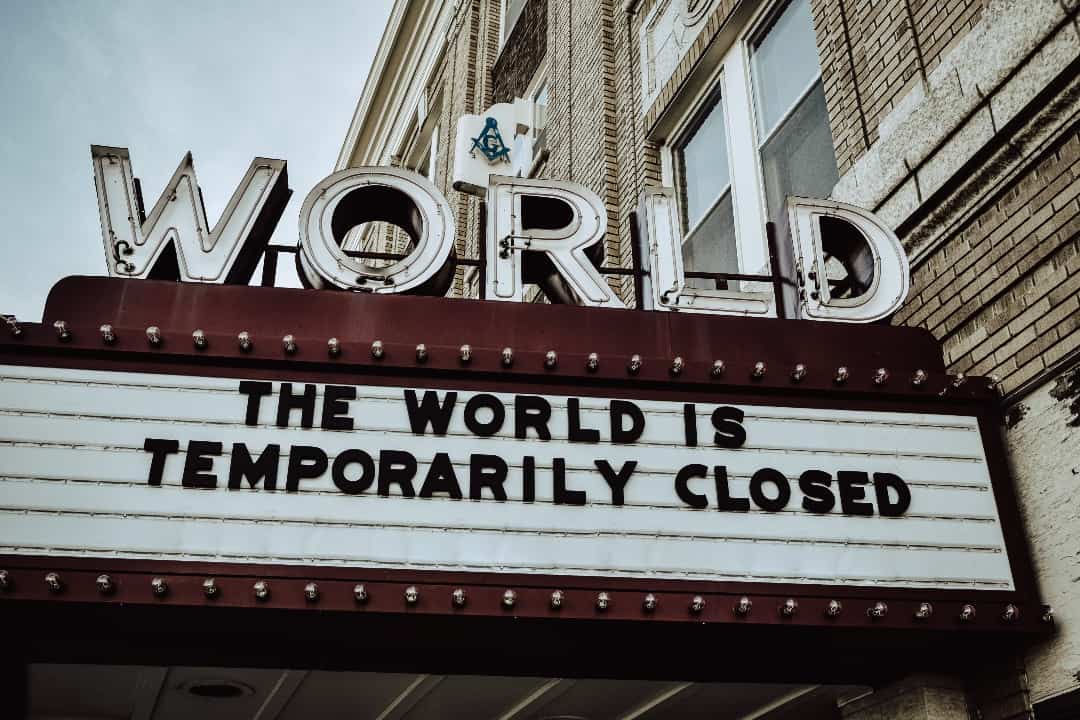
We’ve had Ramadan, Eids, Divali, vaisakhi, Passover and
Christmas like no other, socially distanced from our loved ones, yet we rose
above all odds even whilst in isolation to contemplate on our lives and
reflecting on who we truly are. Many literally put their lives on the line to
exhibit what can only be considered as selflessness.
It all started in January where we
had heard of the C word affecting hundreds and thousands of people across the
globe. Little did we know that two months later we’d be rewriting normality.
Many may
feel as if this year has been wasted – with so many WFH (working from home) or
on furlough, yet we have developed and adapted to such a difficult year… in the
middle of a pandemic. We should give
ourselves at least that much credit. We have had to quickly adapt to a
completely new lifestyle which we could not have predicted. Alongside this
we’ve had to deal with establishing new and different boundaries as well as
tackling challenges head on at home and at work.
When is a refugee not a refugee?
By Shafiur Rahman, a Documentary Filmmaker
 Recently, we watched the world applaud as the Thai government and international humanitarian organisations responded to the plight of Rahaf Mohammed al-Qunun, the teenage Saudi girl who barricaded herself in an airport hotel and took to Twitter to press for asylum.
UNHCR (Thailand) secured the agreement of the Thai authorities and promptly dispatched their representative to Bangkok airport. Rahaf wa provided with UNHCR protection. That allowed her to leave the airport and thwart the counter moves of the Saudi authorities and her own relatives.
The world saw UNHCR at its best. It pro-actively sought and gained access to Rahaf, and helped prevent her deportation. Non-refoulement is a principle championed by this agency and it insists that those in need of protection cannot be returned to somewhere where their life or freedom will be compromised.
The actions of UNHCR were key in Rahaf's case, given that Thailand is not a party to the 1957 UN Refugee Convention or its 1967 Protocol defining the status of refugees. Additionally, refugees status is normally granted by governments, but UNHCR can grant it where states are "unable or unwilling to do so."
In the end, Canada stepped up to give Rahaf asylum, and she made her way there in the glare of the world's media.
There was no suche media glare nor indeed any initiative by the refugee agency whem it came to 31 UNHCR registered Rohingya refugees who were stranded in No Man's Land between India and Bangladesh. Their predicament, which began less than two weeks after Rahaf's arrival in Thailand, throws a different light on the character of UNHCR's humanitarianism.
The refugee agency did not intervene or secure access to them, nor counsel them or provide them with any kind of aid. In the case of the Saudi teenager, Cecil Pouilly, senior communications officer fro UNHCR, quite rightly expressed concerns for Rahaf's "emotional distress" and understood the need for some "breathing space" for her.
No such expression of concern has been made for the Rohingya men, women, and children -- some as young as eight months old, who spent four nights under the open skies in wintry conditions. Even after their arrest buy the Indian Border force and subsequent jailing on January 22, 2019, and despite repeated requests, the UN refugee agency was still unale to provide this writer with a comment 72 hours later.
We should understand that the UNHCR's primary task as the UN's refugee agency is to protect a person who has crossed an international border due to fear for life or liberty. The 31 Rohingya fulfilled UNHCR's criteria for refugee status when they were in India.
They were outside their country of origin and did not have the protection of the state. That is why they were given UNHCR cards. Their case should have been a cut and dry on given that the paperwork existed. Yet, no assistance was rendered.
The Rohingya in India see no evidence of any kind of UNHCR protection. Nor do they see any durable solution to the current Indian dispensation and its eagerness to round up and repatriate Rohingya.In the recent days, over a thousand Rohingya have crossed to Bangladesh from India. They have been perturbed by news of Rohingya being forcibly repatriated to Myanmar from India.
A group of seven people were repatriated in October 2018 and then a family of five were sent back in January 2019. Both cases received considerable media attention. However, the family of five have not been heard of since and their case, in particular, has caused anxiety amongst the 40,000 or so Rohingya living in India.
Taken together, this information points to an unbalanced and dark side of this agency when it comes to Rohingya refugees. And there is evidence stretching down the decades to support that contention. Just last year, UNHCR agreed a memorandum with UNDP and the government of Myanmar concerning Rohingya repatriation.
Hpwever, it kept its contents entirely under wraps and UNHCR did not discuss or consult the affected community -- the Rohingya refugees in Bangladesh, as required by its own code on voluntary repatriation processes. This came as no surprise to students of UNHCR repatriation of Rohingya from Bangladesh. UNHCR's well documentd and shameful history in this regard stretched back to 1978.
Fieldview Solutions in their startling report "Time to Break Old Habits" from June 2018 -- concerning the role and behaviour of international agencies in Rakhine state -- wrote the following about UNHCR and its reponse to the crackdown on Rohingya of October 2016.
"After the first rond of massive violence after October 9, 2016, one might have expected the international community and the UNCT (UN country team) to try to ramp up its presence and protective capacity in the north. Shockingly, though, the UN response was the opposite. UNHCR initially proposed during this time period to completely remove northern Rakhine state from the Humanitarian Response Plan adn to scale back its own operations."
Echoing this, the International Independent Fact-Finding Mission on Myanmar explicitly criticised UN entities operating in Myanmar and bemaoned their lack of cooperation with the Fact-Finding Mission and their defensiveness. It urged a review of how UN organisations have performed over the years in the context of the catastrophe that unfolded in Rakhine state.
Internal reviews exist, and in leaks which have emerged, it seems that the Myanmar regime can count on UN self-censorship on the issue of the Rohingya and Rakhine state.
It can further count on a narrative that emphasises inter-communal conflicts and development issues rather than the centrally-directed policies of apartheid and disenfranchisement.
Of the 31 Rohingya refugees, 15 are connected to the ill-fated village of Tula Toli, which experienced a massacre on August 30, 2017. Hundreds of men, women, and children were brutally killed. Many women were gang-raped and burned. I spoke to three survivors who are now residing in the camps of Bangladesh and whose relatives are amongst the group in India. Rofique, whose baby was thrown in the fire by Myanmar military, has a brother within the group. He told me:
"I thought they were safe. They went to India via Bangladesh after 2012. I thought their luck was good that they never saw what happened to us. But now if India sends them back, their fate will be the same as ours. They are finished."
If India is able to repatriate UNHCR registered Rohingya to Myanmar with total impunity, when every single humanitarian organisation has declared it unsafe, then the scope of humanitarianism has not expanded but shrunk for UNHCR and other UN entities. And if the meaning and practice of refugee protection have been transformed to the extent it seems to have been in the countries where the Rohingya flee to, then Rofique's dire prediction is about to come true.
Humanitarian organisations cannot cherry-pick who to serve
 Recently, we watched the world applaud as the Thai government and international humanitarian organisations responded to the plight of Rahaf Mohammed al-Qunun, the teenage Saudi girl who barricaded herself in an airport hotel and took to Twitter to press for asylum.
UNHCR (Thailand) secured the agreement of the Thai authorities and promptly dispatched their representative to Bangkok airport. Rahaf wa provided with UNHCR protection. That allowed her to leave the airport and thwart the counter moves of the Saudi authorities and her own relatives.
The world saw UNHCR at its best. It pro-actively sought and gained access to Rahaf, and helped prevent her deportation. Non-refoulement is a principle championed by this agency and it insists that those in need of protection cannot be returned to somewhere where their life or freedom will be compromised.
The actions of UNHCR were key in Rahaf's case, given that Thailand is not a party to the 1957 UN Refugee Convention or its 1967 Protocol defining the status of refugees. Additionally, refugees status is normally granted by governments, but UNHCR can grant it where states are "unable or unwilling to do so."
In the end, Canada stepped up to give Rahaf asylum, and she made her way there in the glare of the world's media.
There was no suche media glare nor indeed any initiative by the refugee agency whem it came to 31 UNHCR registered Rohingya refugees who were stranded in No Man's Land between India and Bangladesh. Their predicament, which began less than two weeks after Rahaf's arrival in Thailand, throws a different light on the character of UNHCR's humanitarianism.
The refugee agency did not intervene or secure access to them, nor counsel them or provide them with any kind of aid. In the case of the Saudi teenager, Cecil Pouilly, senior communications officer fro UNHCR, quite rightly expressed concerns for Rahaf's "emotional distress" and understood the need for some "breathing space" for her.
No such expression of concern has been made for the Rohingya men, women, and children -- some as young as eight months old, who spent four nights under the open skies in wintry conditions. Even after their arrest buy the Indian Border force and subsequent jailing on January 22, 2019, and despite repeated requests, the UN refugee agency was still unale to provide this writer with a comment 72 hours later.
We should understand that the UNHCR's primary task as the UN's refugee agency is to protect a person who has crossed an international border due to fear for life or liberty. The 31 Rohingya fulfilled UNHCR's criteria for refugee status when they were in India.
They were outside their country of origin and did not have the protection of the state. That is why they were given UNHCR cards. Their case should have been a cut and dry on given that the paperwork existed. Yet, no assistance was rendered.
The Rohingya in India see no evidence of any kind of UNHCR protection. Nor do they see any durable solution to the current Indian dispensation and its eagerness to round up and repatriate Rohingya.In the recent days, over a thousand Rohingya have crossed to Bangladesh from India. They have been perturbed by news of Rohingya being forcibly repatriated to Myanmar from India.
A group of seven people were repatriated in October 2018 and then a family of five were sent back in January 2019. Both cases received considerable media attention. However, the family of five have not been heard of since and their case, in particular, has caused anxiety amongst the 40,000 or so Rohingya living in India.
Taken together, this information points to an unbalanced and dark side of this agency when it comes to Rohingya refugees. And there is evidence stretching down the decades to support that contention. Just last year, UNHCR agreed a memorandum with UNDP and the government of Myanmar concerning Rohingya repatriation.
Hpwever, it kept its contents entirely under wraps and UNHCR did not discuss or consult the affected community -- the Rohingya refugees in Bangladesh, as required by its own code on voluntary repatriation processes. This came as no surprise to students of UNHCR repatriation of Rohingya from Bangladesh. UNHCR's well documentd and shameful history in this regard stretched back to 1978.
Fieldview Solutions in their startling report "Time to Break Old Habits" from June 2018 -- concerning the role and behaviour of international agencies in Rakhine state -- wrote the following about UNHCR and its reponse to the crackdown on Rohingya of October 2016.
"After the first rond of massive violence after October 9, 2016, one might have expected the international community and the UNCT (UN country team) to try to ramp up its presence and protective capacity in the north. Shockingly, though, the UN response was the opposite. UNHCR initially proposed during this time period to completely remove northern Rakhine state from the Humanitarian Response Plan adn to scale back its own operations."
Echoing this, the International Independent Fact-Finding Mission on Myanmar explicitly criticised UN entities operating in Myanmar and bemaoned their lack of cooperation with the Fact-Finding Mission and their defensiveness. It urged a review of how UN organisations have performed over the years in the context of the catastrophe that unfolded in Rakhine state.
Internal reviews exist, and in leaks which have emerged, it seems that the Myanmar regime can count on UN self-censorship on the issue of the Rohingya and Rakhine state.
It can further count on a narrative that emphasises inter-communal conflicts and development issues rather than the centrally-directed policies of apartheid and disenfranchisement.
Of the 31 Rohingya refugees, 15 are connected to the ill-fated village of Tula Toli, which experienced a massacre on August 30, 2017. Hundreds of men, women, and children were brutally killed. Many women were gang-raped and burned. I spoke to three survivors who are now residing in the camps of Bangladesh and whose relatives are amongst the group in India. Rofique, whose baby was thrown in the fire by Myanmar military, has a brother within the group. He told me:
"I thought they were safe. They went to India via Bangladesh after 2012. I thought their luck was good that they never saw what happened to us. But now if India sends them back, their fate will be the same as ours. They are finished."
If India is able to repatriate UNHCR registered Rohingya to Myanmar with total impunity, when every single humanitarian organisation has declared it unsafe, then the scope of humanitarianism has not expanded but shrunk for UNHCR and other UN entities. And if the meaning and practice of refugee protection have been transformed to the extent it seems to have been in the countries where the Rohingya flee to, then Rofique's dire prediction is about to come true.
An Obituary
Today we mourn the passing of a beloved old friend, Common Sense, who has been with us for many years. No one knows for sure how old he was, since his birth records were long ago lost in bureaucratic red tape. He will be remembered as having cultivated such valuable lessons as:
-Knowing when to come in out of the rain;
-Why the early bird gets the worm;
– Life isn’t always fair;
– And maybe it was my fault.
-Why the early bird gets the worm;
– Life isn’t always fair;
– And maybe it was my fault.
Common Sense lived by simple, sound financial policies (don’t spend more than you can earn) and reliable strategies (adults, not children, are in charge). His health began to deteriorate rapidly when well-intentioned but overbearing regulations were set in place. Reports of a 6-year-old boy charged with sexual harassment for kissing a classmate; teens suspended from school for using mouthwash after lunch; and a teacher fired for reprimanding an unruly student, only worsened his condition.
Common Sense lost ground when parents attacked teachers for doing the job that they themselves had failed to do in disciplining their unruly children.
It declined even further when schools were required to get parental consent to administer sun lotion or an aspirin to a student; but could not inform parents when a student became pregnant and wanted to have an abortion.
Common Sense lost the will to live as the churches became businesses; and criminals received better treatment than their victims.
Common Sense took a beating when you couldn’t defend yourself from a burglar in your own home and the burglar could sue you for assault.
Common Sense finally gave up the will to live, after a woman failed to realize that a steaming cup of coffee was hot. She spilled a little in her lap, and was promptly awarded a huge settlement.
Common Sense was preceded in death,
-by his parents, Truth and Trust,
-by his wife, Discretion,
-by his daughter, Responsibility,
-and by his son, Reason.
-by his parents, Truth and Trust,
-by his wife, Discretion,
-by his daughter, Responsibility,
-and by his son, Reason.
He is survived by his 5 stepbrothers;
– I Know My Rights
– I Want It Now
– Someone Else Is To Blame
– I’m A Victim
– Pay me for Doing Nothing
– I Know My Rights
– I Want It Now
– Someone Else Is To Blame
– I’m A Victim
– Pay me for Doing Nothing
Not many attended his funeral because so few realized he was gone.
If you still remember him, pass this on. If not, join the majority and do nothing.
This was first published in London Times in March 2014.
Pakistan's Leadership Follies
By Farooq Sumar
The writer is a businessman and a former chairman of the National Textile Foundation
The writer is a businessman and a former chairman of the National Textile Foundation
Be it political,
military, socio-economic or cultural affairs Pakistan's leadership has been
quite mediocre since independence. The tragedies and setbacks were many. Failure
to develop a coherent set of policies to address the nations pressing needs; to eradicate
ignorance, poverty and disease at home and to maintain a dignified image abroad
are the result of shortsighted leadership. After Jinnah there is just a continuous
and consistent bottomless fall that has now brought the country to its knees.
Some of our
decisions or lack thereof need to be revisited to comprehend our follies. The
four military interventions-coup d'etats - have retarded democracy and socio-economic
developments indefinitely. The military's continuous interference distorts and
twists Pakistan completely out of shape, so much so that it is faceless in the
comity of nations and an oppressive burden that impoverishes the people. The
unacceptable truth is that the military has become the senior partner in governance
at all levels, to the extent that separation of powers is totally blurred. The
nation experiences medium to violent jerks often that rob it of stability,
economic progress, cohesion and comprehension of its destiny.
The arrogance of
the military is the basis of its justification that it has a monopoly on
patriotism, wisdom, organisation and management skills to rule. This may be
true in part today as all other power structures and institutions have been
weakened quite deliberately by the military. While major political parties have
either been created by them or compromised and corrupted to become followers
who receive crumbs for their pimping services.
Disastrous Decade of Democracy & the Sorry state of Pakistan
By Simon Templar
Thug
life is a term used by gangsters to glorify their law breaking, heady crime
sprees.
Nothing
describes the misrule of two successive, so called democratically elected
governments in the unstable, underdeveloped 200 million strong south Asian
state of Pakistan.
How
thieves, plunderers and freebooters came to rule this nuclear armed state is a
sad tale in itself.
Ruled
by military General Pervez Musharraf who took over in a military coup in 1999,
the country became a close US ally after 9/11 and witnessed an era of growth
and stability under military rule.
However
when Musharraf reached his limits of flexibility, it was decided by the US and
British to force him bring back the two tainted, condemned political leaders in
exile and to wash away all their sins under a dubious order in the name of
national reconciliation.
Dirty water, cholera and malnutrition: deadly mix afflicting Yemeni children
 |
| (Photo by Observer and WHO) |
More than 10,000 civilians have died in the war that has torn Yemen apart since it started in 2015. The country is now engulfed wide-scale humanitarian crisis, with an estimated 2.2 million children suffering from severe malnutrition and much of the population reduced to drinking dirty water. As a result, starting last May, Yemen has been experiencing the “worst cholera epidemic in the world,” according to the United Nations. It’s a situation proving deadly for children, the most vulnerable victims of this conflict.
Close to 300,000 people in Yemen have contracted cholera, of whom 1,700 died, according to numbers reported in June. This epidemic has, in large part, been caused by the poor quality of the country’s drinking water, which is often contaminated with fecal matter. Moreover, wartorn Yemen lacks the resources to purify the water. And, when people fall ill, they often have no access to medical care. This disease, which is easy to treat, is most deadly when contracted by vulnerable people, like the elderly and, especially. childrenAnti-Corbyn Argument Smashed!
One of Britain’s most influential rappers just smashed the entire anti-Corbyn argument in seconds:
British rapper Akala said this:
"So why will I be voting now? The answer will surprise none of you, Jeremy Corbyn.", "We do not need perfect politicians, because we are not perfect people ourselves.
However for the first time in my adult life and perhaps for the first time in British history someone I would consider to be a fundamentally decent human being – that is, someone who does not want to kill the poor and does not routinely make a habit of rationalising the bombing and invasion of other peoples countries under the rubric of humanitarianism – has a chance of being elected."
"I simply think we cannot afford, in this very particular set of circumstances, to not vote.
Our brothers and sisters in America were not given an alternative, their options were one war-mongering lunatic vs. another and many of them (almost half the US electorate did not vote at all), quite understandably could not bring themselves to vote for Hilary Clinton, despite the threat of Mr. Trump.
Were I an American I must confess I would have done the same.
We, however, do have a chance for the first time to vote for the lesser of two evils."
There are a great many other progressive policies that make Corbyn a genuinely different candidate from what we have seen before but another very key area – of literally life and death – is the NHS.
If you want to see what privatised healthcare looks like just ask any poor American.
"There are countless American families mired in a lifetime of debt for basic healthcare that citizens of every other industrial country (and Cuba) receive as standard from public money.
When I was five I got the measles and nearly died!
If I was an American child born into a similarly poor family I would either likely be dead now or my family still paying off the bill."
"When I was 10 my mum got cancer, same story.
The idea and reality of an NHS is one of the most democratic ideas ever invented.
It must be protected at all costs, the Tories have made their intentions in this area quite plain – as has Corbyn."
"If you are so busy hating those pesky ‘immigrants’ (you know the same darkies and foreign nationals that overwhelmingly staff your NHS) that you can’t see that the Trump worshipping Tories are callous enough to condemn millions of ‘their own’ people to slow and early death because they are poor and because it’s profitable, (as the Republicans just have) then you are unlikely to be reading this anyway.
But if you have such people in your family (as I do) please try and talk some sense into them, for their own good."
"The simple fact is, if enough people vote for Corbyn/Labour they will win.
In fact there are enough people that did not vote at all in the last election to tip the scales decidedly."
British rapper Akala said this:
"So why will I be voting now? The answer will surprise none of you, Jeremy Corbyn.", "We do not need perfect politicians, because we are not perfect people ourselves.
However for the first time in my adult life and perhaps for the first time in British history someone I would consider to be a fundamentally decent human being – that is, someone who does not want to kill the poor and does not routinely make a habit of rationalising the bombing and invasion of other peoples countries under the rubric of humanitarianism – has a chance of being elected."
"I simply think we cannot afford, in this very particular set of circumstances, to not vote.
Our brothers and sisters in America were not given an alternative, their options were one war-mongering lunatic vs. another and many of them (almost half the US electorate did not vote at all), quite understandably could not bring themselves to vote for Hilary Clinton, despite the threat of Mr. Trump.
Were I an American I must confess I would have done the same.
We, however, do have a chance for the first time to vote for the lesser of two evils."
There are a great many other progressive policies that make Corbyn a genuinely different candidate from what we have seen before but another very key area – of literally life and death – is the NHS.
If you want to see what privatised healthcare looks like just ask any poor American.
"There are countless American families mired in a lifetime of debt for basic healthcare that citizens of every other industrial country (and Cuba) receive as standard from public money.
When I was five I got the measles and nearly died!
If I was an American child born into a similarly poor family I would either likely be dead now or my family still paying off the bill."
"When I was 10 my mum got cancer, same story.
The idea and reality of an NHS is one of the most democratic ideas ever invented.
It must be protected at all costs, the Tories have made their intentions in this area quite plain – as has Corbyn."
"If you are so busy hating those pesky ‘immigrants’ (you know the same darkies and foreign nationals that overwhelmingly staff your NHS) that you can’t see that the Trump worshipping Tories are callous enough to condemn millions of ‘their own’ people to slow and early death because they are poor and because it’s profitable, (as the Republicans just have) then you are unlikely to be reading this anyway.
But if you have such people in your family (as I do) please try and talk some sense into them, for their own good."
"The simple fact is, if enough people vote for Corbyn/Labour they will win.
In fact there are enough people that did not vote at all in the last election to tip the scales decidedly."
Westminster Incident
On Wednesday afternoon, our home city of London suffered a hideous attack A palpable sense of anger and outrage runs through us all as well as heartbreak for the victims and their families.
This afternoon's attack on both Westminster Bridge and around Parliament is an attack on what all Muslims (to me terrorists are NOT Muslim) and people of this nation hold dear: freedom, peace and the ability to live our daily lives without fear. Our way of life is enshrined in our religion, thereby any attack on one is an attack on us all.
The perpetrators of this attack have one objective: divide and stoke fear. Their myth of 'Them and Us' is exactly that, a myth.
All of us have a collective responsibility for identifying and notifying the appropriate authorities of individuals who attack and kill innocents for whatever cause. People who carry out such attacks are an abomination to all of humanity and must be dealt with swiftly and appropriately.
We are grateful for the way our emergency services keep us all safe and continue to do so in difficult circumstances. We stand together strong and united.
Our prayers are with the departed and those they left behind and with the first responders who helped without care for their own safety. In that action alone we see what makes us human: the need to help others and to support goodness over the evil. Today our actions of good over evil start with our oft repeated but very clear message:
“We will not let the terrorists win by dividing us.”
#notinourname
#unitedagainstterrorism
#westminster
This afternoon's attack on both Westminster Bridge and around Parliament is an attack on what all Muslims (to me terrorists are NOT Muslim) and people of this nation hold dear: freedom, peace and the ability to live our daily lives without fear. Our way of life is enshrined in our religion, thereby any attack on one is an attack on us all.
The perpetrators of this attack have one objective: divide and stoke fear. Their myth of 'Them and Us' is exactly that, a myth.
All of us have a collective responsibility for identifying and notifying the appropriate authorities of individuals who attack and kill innocents for whatever cause. People who carry out such attacks are an abomination to all of humanity and must be dealt with swiftly and appropriately.
We are grateful for the way our emergency services keep us all safe and continue to do so in difficult circumstances. We stand together strong and united.
Our prayers are with the departed and those they left behind and with the first responders who helped without care for their own safety. In that action alone we see what makes us human: the need to help others and to support goodness over the evil. Today our actions of good over evil start with our oft repeated but very clear message:
“We will not let the terrorists win by dividing us.”
#notinourname
#unitedagainstterrorism
#westminster
Subscribe to:
Posts (Atom)